
Challenges & Opportunities
‘Rock art tourism’ in an important segment of archaeological tourism and it plays a significant role in the conservation of cultural heritage and benefiting local economy by generating income and employment opportunities for local communities and much needed financial resources for the conservation work. But unfortunately, there are many challenges to conserving and safeguarding this unique heritage. This includes difficulty in accessing the sites of the carvings, lack of funding, rampant vandalism, and more. The root of sustainable tourism lies within community involvement. When the local community takes ownership of this aspect of their cultural heritage, they can play a pivotal role in the protection, preservation, and promotion of rock art. The rock carvings of the region are under serious threat from vandalism, defacement, and more recently, the construction of a large-scale dam, and need urgent safeguarding before this valuable cultural resource and all the stories held within are lost forever.
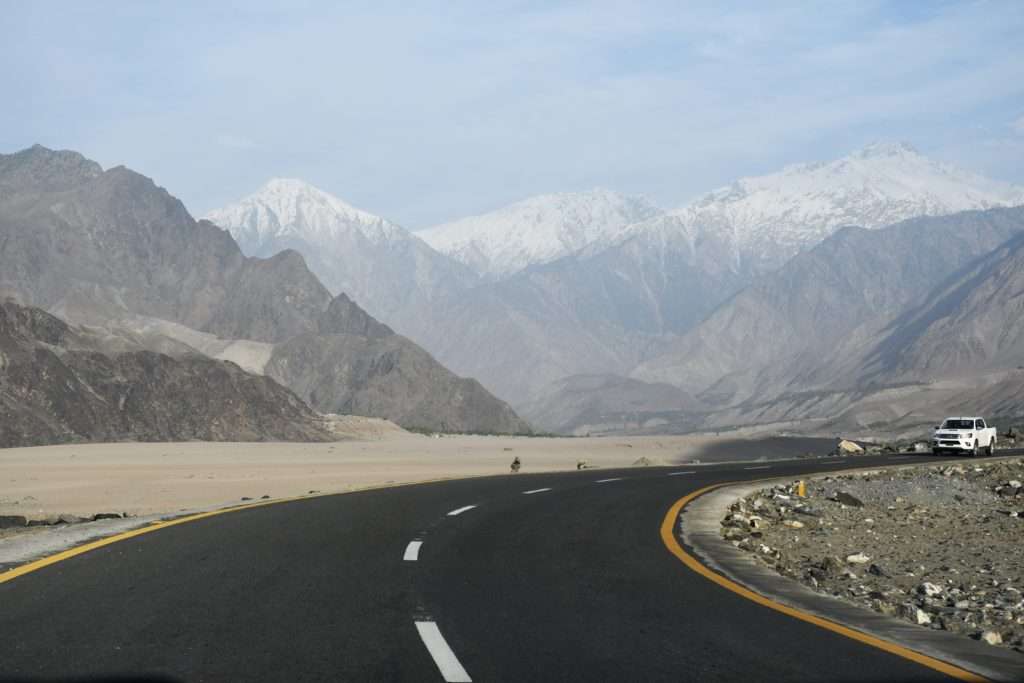
The Government of Pakistan is currently undertaking the construction of the Diamer-Basha Dam on the Indus River. The concrete dam structure is planned to be about 272 metres high and 990 metres long with a reservoir extending to more than 129.5 kilometres. The planned inundation, which will take about three years following the completion of the construction works, will submerge most of the known rock art sites along the Indus River from Khanbari Nala till Raikot Bridge (the entire length of the dam) in District Diamer. Thus, the construction of the dam and the inundation of its reservoir present the most serious challenge to preservation of rock art in this region. Additionally, the rocks with petroglyphs are increasingly being damaged by illegal antiquity hunters. The construction of new houses, as a result of the displacement of local people from the proposed reservoir area, has caused tremendous damage to the rock art sites as local people are using it as readily available quarries for getting stones for their houses. The absence of antiquity act of GB province also impacts on the policing and preservation of the rock carvings.
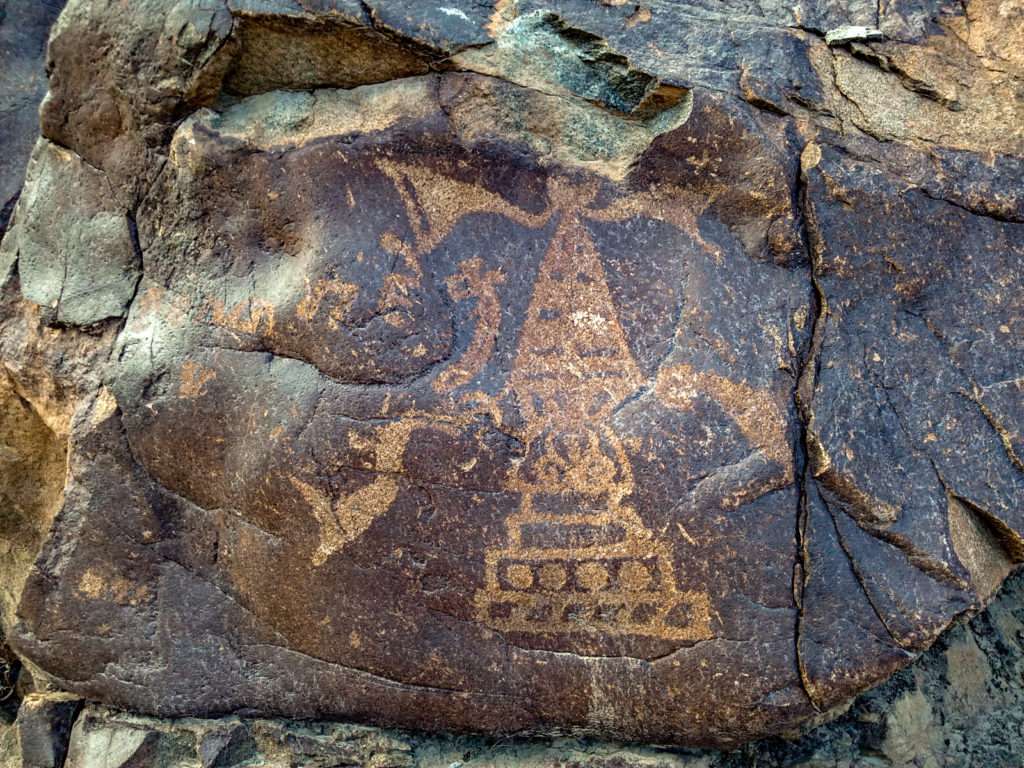
The Government of Pakistan, through its Water and Power Development Authority (WAPDA), is taking steps to minimize and mitigate the damage to the rock art sites in the Diamer Basha Dam Reservoir area and have included the documentation (and possible removal) of selected rock carvings through 3-D digitalization in the Cultural Heritage Management Plan (CHMP) of the dam. WAPDA also plans to construct/covert the existing Chilas Fort into a museum to house some of the removed carvings or its 3-D models.
Though the rock carvings at the Shatial are not directly impacted by the construction or inundation of the Dasu Hydropower Dam project, WAPDA in collaboration with the Directorate of Archaeology and Museums, Government of Khyber Pakhtunkhwa province, through its CHMP, is working on protecting the site and has initiated the construction of visitor facilitation and documentation site at the site.
To create awareness about this valuable heritage and touristic asset of Pakistan, UNESCO Pakistan, with the support of the Italian Agency for Development Cooperation (AICS), is partnering with Sustainable Tourism Foundation Pakistan (STFP) to promote community based sustainable heritage tourism in this region, in close collaboration with the Tourism Departments of Gilgit-Baltistan and Khyber Pakhtunkhwa provinces. The main aim of this intervention is to create awareness about the need to safeguard these priceless ancient carvings and engage the local community in conservation efforts. Responsible and sustainable tourism based around the rock carvings has the potential to increase employment opportunities for local communities and increase financial stability, especially for youth engaged in heritage entrepreneurship. Under this initiative, local youth have been trained to work as tour guides in the area, while other community members have received skills development training to design, develop, and sell handmade souvenirs. Through these interventions, UNESCO aims to empower the local community to play a role in safeguarding their cultural heritage.