About the Project
The UNESCO 1972 Convention Concerning the Protection of World Cultural and Natural Heritage calls for giving heritage a function in people’s lives and enhancing the role of community in the management and protection of cultural and natural heritage. Across Pakistan, there is a growing disconnect between communities and the tangible and intangible cultural heritage that forms an integral part of their lives, resulting in a loss of socioeconomic benefits for people, and neglect and vandalism for heritage sites.
Considering this, there is an increased recognition of the long-term impact of meaningful community involvement, especially youth, in the preservation, protection, and promotion of heritage sites. Steps taken to raise awareness about the value of cultural heritage will not only reignite a sense of ownership among communities but will also be a crucial step towards safeguarding Pakistan’s rich cultural heritage in the future.
UNESCO Islamabad plans to achieve this through capacity building of local communities, policy advocacy, and awareness raising about responsible social behaviour, sustainable tourism, heritage education, and creative entrepreneurship.
In order to implement this initiave, UNESCO Pakistan has join hands with Sustainable Tourism Foundaiotn Pakistan (STFP) to implement a short duration project under the title “Engage community in safeguarding heritage through creative entrepreneurship, capacity building, and awareness raising in the area of Gilgit-Baltistan and adjacent of Khyber-Pakhtunkhwa along the Karakorum Highway having Ancient Rock Carvings”.
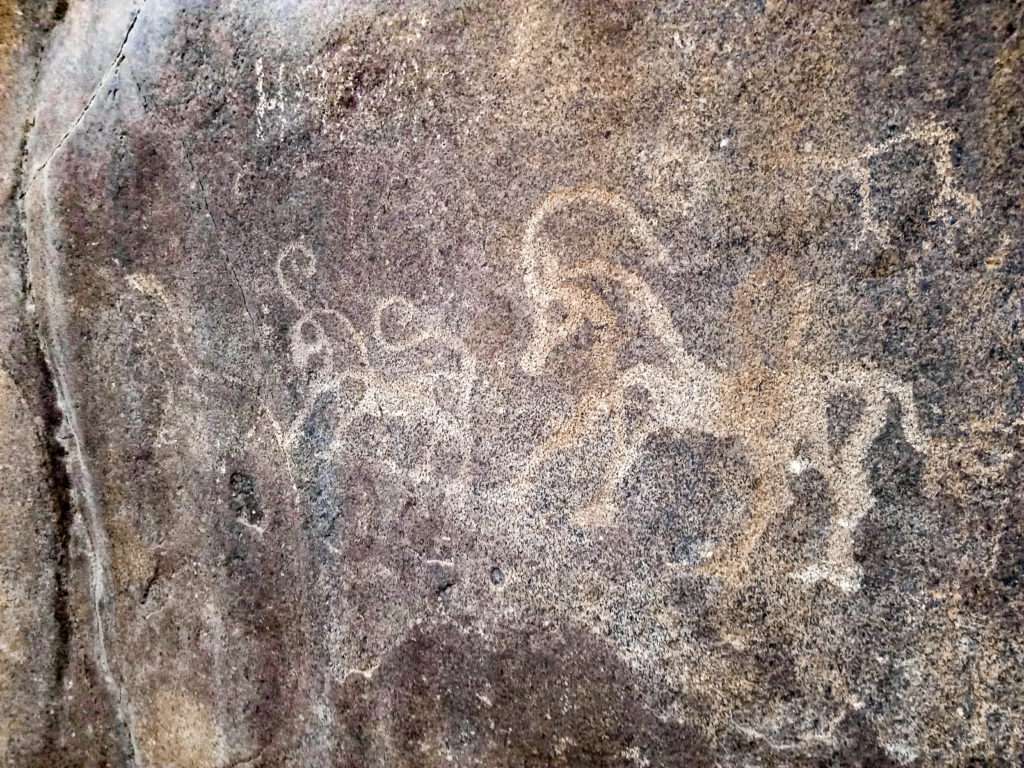
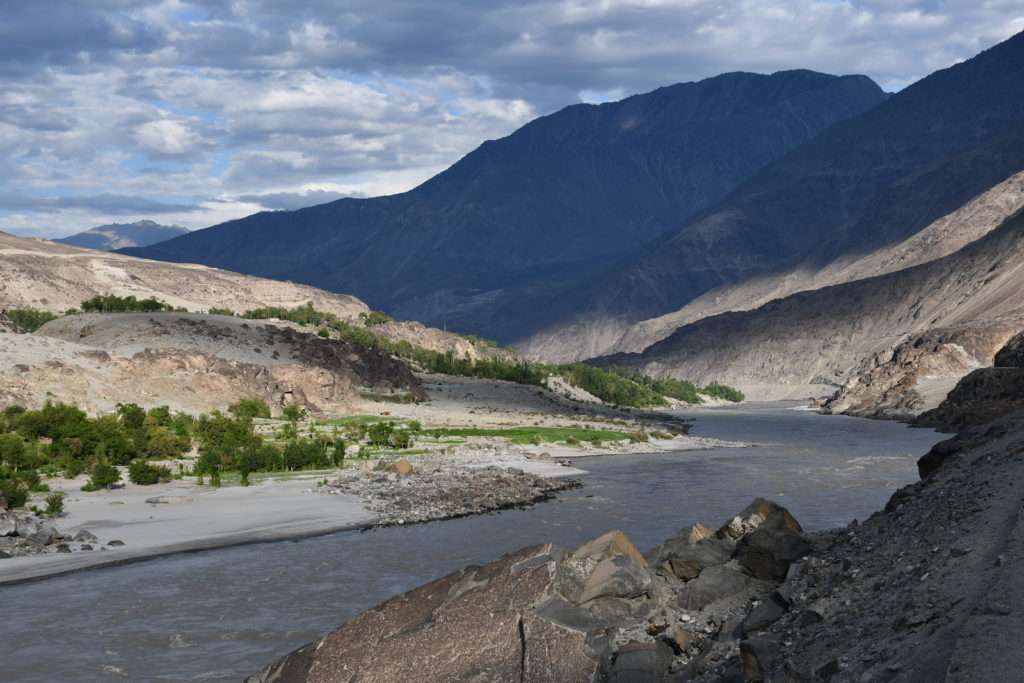
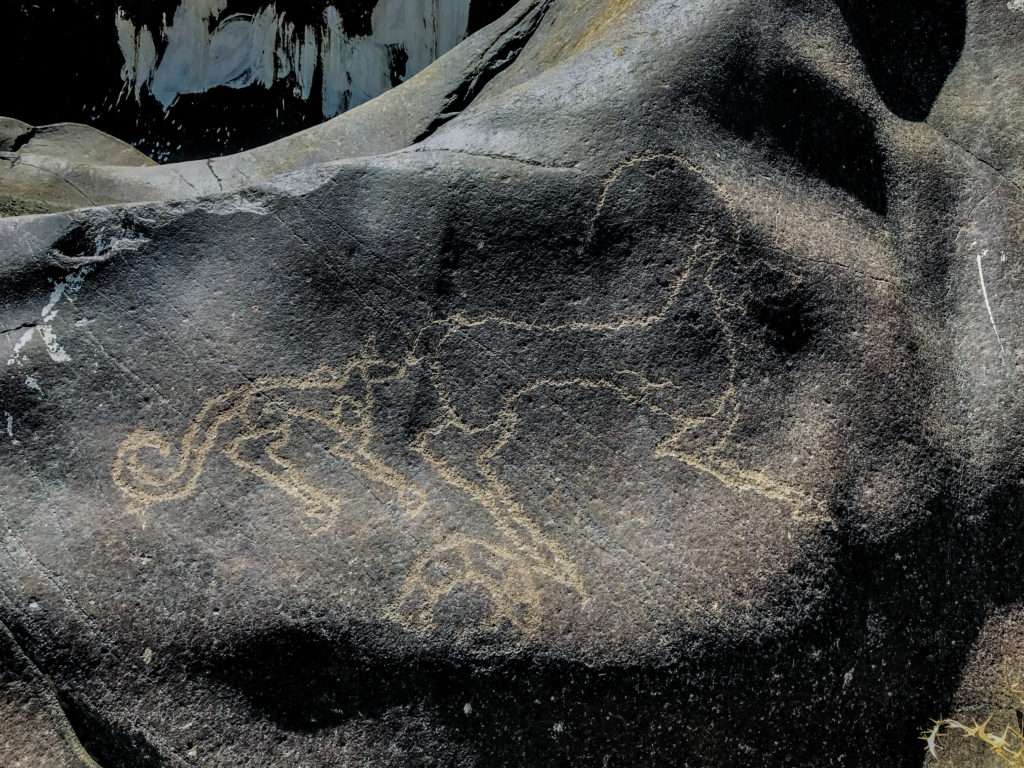
The Gilgit-Baltistan region, along with the Upper Kohistan district of Khyber Pakhtunkhwa province, of Pakistan is home to one of the largest rock art provinces of the world. The principal evidence for petroglyphs in Pakistan comes from this region and these ranges in time from the pre-historic period to the 18th century CE, are predominantly spread along the Indus River from Shatial, Upper Kohistan District to Alam Bridge site in District Gilgit. The wide-ranging petroglyphs have been called as the ‘Guestbook of the Silk Routes’. The petroglyphs in the region include Prehistoric, Bronze Age, Historic petroglyphs of the Buddhist and Hindu pantheons and thousands of inscriptions in Kharoshthi, Brahmi, Sogdian, Chinese and Hebrew scripts and languages.
The proposed interventions under this project aim to work with local communities to raise awareness and establish an understanding of the historic value of this region’s rich cultural heritage, empower them to safeguard heritage themselves, and establish meaningful linkages for sustainable socio-economic development of the region. The interventions aim to nurture creativity and promote heritage entrepreneurship for sustainable livelihoods of the community. Through these interventions, the goal is to encourage positive social behaviours towards cultural diversity, and to empower local communities to contribute to the protection of their cultural and natural heritage. These objectives will be achieved through creative entrepreneurship training for local men and women, enabling access to heritage resources, developing market linkages, and engaging school children in awareness raising activities on heritage sites.